Last Minute Valentine’s Day Ideas

With the SuperBowl being yesterday, some people may have forgotten about Valentine’s day today. There are still plenty of things you can do for your person today to show them how much you care about them, even if you haven’t gotten anything or planned anything yet! 

Activity ideas:

  • Order pizza and have a cozy movie night
  • Take them out to dinner
  • Make their favorite meal with them at home
  • Make chocolate covered strawberries together instead of buying them premade
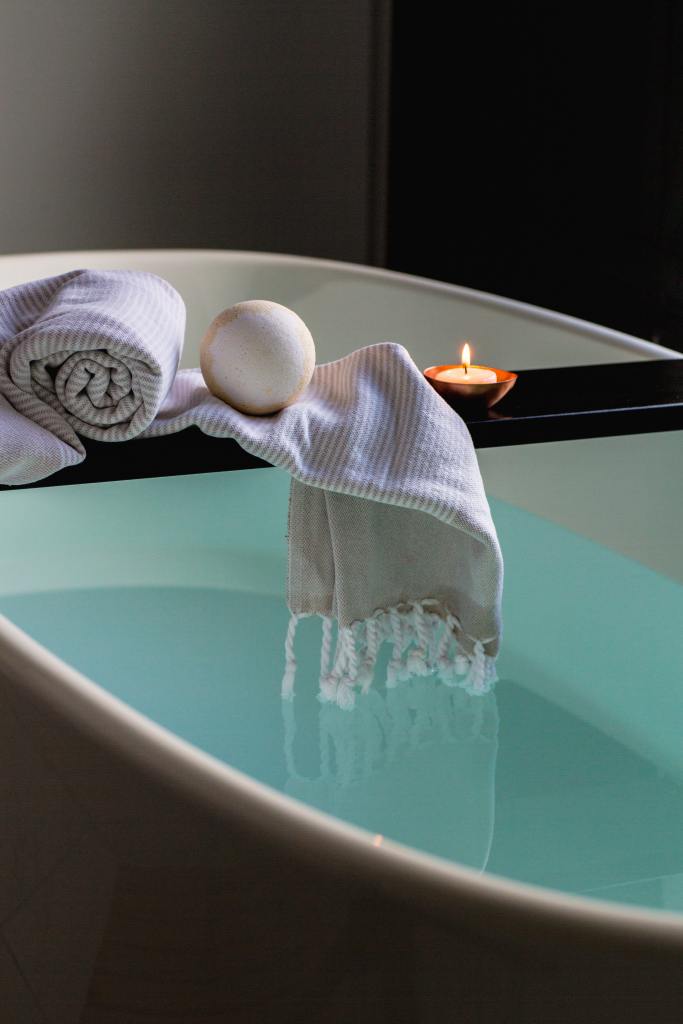
  • Treat them to a spa night in 
  • Target date night challenge from TikTok- you both buy things from each of these categories for each other: their favorite color, their favorite snack, favorite drink, something to do together, something that reminds you of them,

Present ideas: 

  • Flowers
  • If the store is out of flowers, get them a plant instead
  • Their favorite candy- just because it’s Valentine’s Day doesn’t mean you need to get them chocolate
  • The 5 senses gifts- something they can taste, smell, touch, see and hear
  • A printed photo of you together and put in a frame 

If you are not with someone right now, you can still have a great time doing these with friends or family. Spend today with people you love, regardless of your relationship with them. 
How to Create the Life You Want in One Year

  • Do a life audit 
    • This is where you will find exactly where you need to make changes or adjustments. There are 8 areas of life that you should look at: health, finances, personal development, career, relationships, self-care, home life, and free time
  • Shifting your mindset
    • The way we think and believe correlates with how we act. One of the greatest mindset changes you can make is your perspective on things. For example, if something negative happens, figure out what you are learning from it as opposed to feeling like a victim. 
  • Set a vision
    • When you create a vision it will give you a sense of purpose. You can see the bigger picture as opposed to the smaller things. Your vision should be driven by your dreams and goals. 
  • Continue working on yourself every day
    • Having clear visions can help you get rid of distractions. It shows you exactly what you need to be doing. Being consistent every day brings you to your vision.
  • Adjust your environment
    • The people you surround yourself with will have a major impact on your life. If your circle is not talking about growth and goals, it may be time to reevaluate who you are spending time with. 
  • Learn new skills as well as improving your current skills
    • No matter what your goal is, it is always beneficial to have skills. They can be used in all areas of your life as well as learning specific skills that help you attain your vision. Reading, podcasts, mentors, classes, and videos are all useful tools for learning new skills.
  • Learning to enjoy the process
    • Remembering that the whole point is to have change in your life will help you with this process. It is meant to push you to higher levels. During this process, you may even change directions of what you want and that’s okay. This is to better yourself and your life, regardless of where you end up. 

Putting Yourself First

If you don’t pick a day to relax, your body will pick it for you. Oftentimes, we become accustomed to pushing forward and working through whatever we have going on. We start to feel overwhelmed, stressed, tired, or sick and we continue on with our lives. When we do this we are forcing our bodies to over exert themselves which leads to burnout, getting sick, depression and more. 

To avoid this, it is important to recognize the signs that you are not putting yourself first. Here are some of the most common signs:

  • Overly tired
  • Loss of motivation
  • Disassociating from friends and family
  • Having more negative thoughts
  • Insomnia
  • Physical symptoms such as headaches
  • Change in appetite
  • Feeling emotionally and/or physically drained

When you start to notice these things, it is important to put yourself first and give yourself a break and to not feel bad about it. Some things that may help:

  • Doing a self care day at least once a week
  • Planning or taking a trip to give you a break and give you something to look forward to
  • Spending time doing hobbies you enjoy such as hiking, painting, exercising, etc.
  • Spend a day doing nothing but relaxing 

Affirmations

An affirmation is the act of confirming things to be true. These can be things that are written down or said out loud. Similar to speaking things into existence. Implementing affirmations into your life can help with self-improvement, empowerment, and positive thinking. You can find affirmations that apply to your life and say them to yourself every day. If you are unsure of what affirmations sound like, here are some from our ISLife team:

  • I am enough
  • I am comfortable with who I am
  • I am willing and able to share my emotions and feelings 
  • I am courageous
  • I stand up for myself
  • My voice and opinions matter
  • I am unstoppable and indestructible 
  • I am able to help when needed
  • I am creating the future I want to have
  • I am grateful for the lessons I have learned 
  • I welcome the future and all it offers
  • I am optimistic for what’s to come
  • I have an open mind and an open heart
  • All setbacks are an opportunity to learn
  • I can cope with whatever challenges I am confronted with 
  • I am trying my best and that is enough
  • I have strength and integrity
  • I am worthy of everything I want
  • There is nothing I need to change about myself to be accepted and loved
  • I love who I am and who I am becoming
  • I wake up each day with a positive outlook
  • I accept my failures but they don’t define me
  • My goal is progress not perfection
  • I am exactly where I need to be right now
  • I am constantly healing and getting stronger
  • My mind is full of brilliant ideas
  • I am at peace with who I am as a person

Checking in on Your Goals

It is already the second month of 2022. This is a good time to reflect on how your year has started and to see how you have been doing with your goals. In my blog Monthly Goals for 2022, I wrote about making monthly goals as opposed to new years resolutions. By breaking them down into different monthly goals, it can make them seem more manageable and help you grow throughout the year. 

Reviewing your goals will help you gauge whether or not you need to make some changes for your upcoming monthly goals. Ask yourself these questions to help you:

  • Was the goal reasonable?
  • If it is time oriented, are you on track to meet your goal?
  • Are changes needed to better accomplish your goals?
  • Is it more or less difficult than you thought to work towards this goal?
  • Are you experiencing burnout with your goals?

If any of these are creating issues with your goals, it is time to reevaluate them and see how you can adjust. Being specific will help you either get back on track or keep you on track. For example, if one of your goals was to drink more water, alter it to “drink x amount of water every day.” Making them specific will make it easier to track. If you are having a hard time reaching your goal or are feeling a burnout, try cutting back to make it more feasible. For example, if your goal was to workout every day and you are having a hard time meeting this, change it to “workout x amount of times a week.” Then you can gradually increase this as time goes on.

Incorporating Fiber into your Diet

Everyone always says to add fiber to your diet, but why? What actually is fiber? There are two main kinds of fiber: soluble and insoluble. 

According to the Mayo Clinic, soluble fiber dissolves in water and can help lower cholesterol and glucose levels. It can be found in foods such as oats, beans, peas, apples, citrus fruits, carrots and more.

Insoluble fiber promotes the movement of waste materials in your digestive systems. This benefits everyone, especially those that deal with constipation or irregular stools. It can be found in foods such as whole-wheat flour, wheat bran, buts, beans, vegetables and more. 

Is it worth it to incorporate fiber into your diet? Here are some of the benefits it has:

  • It normalizes your bowel movements
  • Helps you maintain bowel health by decreasing your risk of colon diseases
  • Helps lower your cholesterol levels and reduces blood pressure and inflammation
  • Helps control and regulate your blood sugar level which can reduce the risk of developing type 2 diabetes
  • Helps you maintain and lose weight since foods with fiber tend to be more filling
  • Helps you live longer and is associated with reducing the risk of dying from cardiovascular diseases and cancers

Men aged 50 or younger should have 38 grams of fiber everyday. Men 51 or older should have 30 grams of fiber every day. Women 50 or younger should have 25 grams of fiber every day and women 51 or older should have 21 grams every day. 

Research has shown that eating high fiber foods is better than taking supplements, although some people have seen the best results when doing both. Some high fiber foods are:

  • Beans
  • Avocados
  • Popcorn
  • Apples
  • Broccoli
  • Berries
  • Pears
  • Strawberries
  • Carrots
  • Beats
  • Artichokes
  • Kale 
  • Spinach
  • Tomatoes
  • Lentils
  • Chickpeas
  • Quinoa
  • Almonds
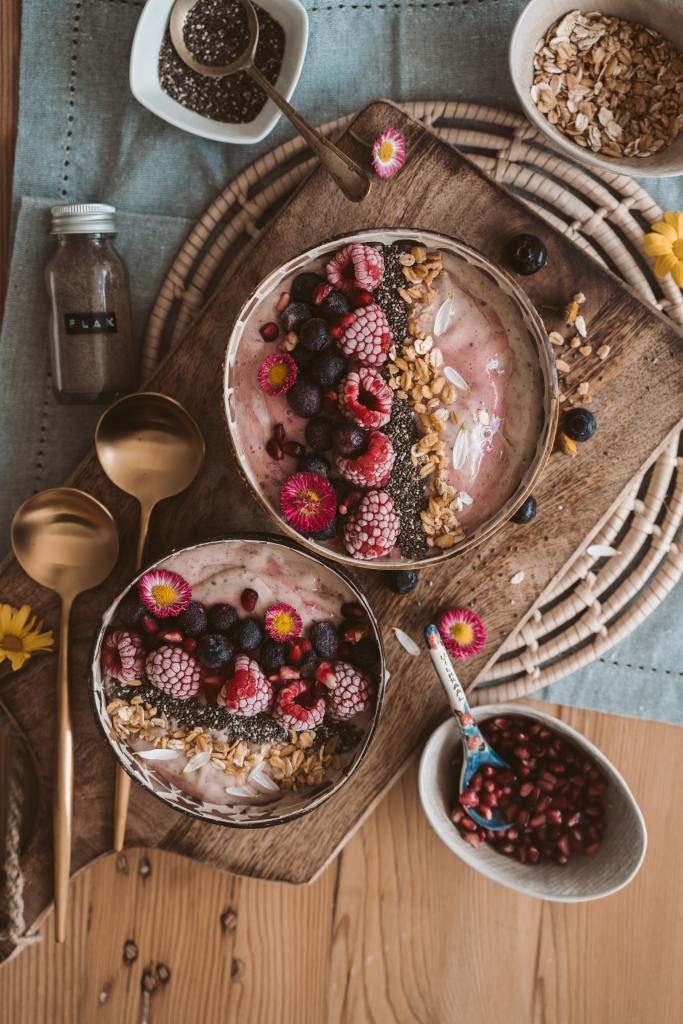
  • Seeds (chia, pumpkin, sunflower and flax)
  • Pistachios
  • Sweet potatoes

Winter Hydration

Staying hydrated year round is important to good health but it can seem harder during the winter. Especially this time of year, it is harder to tell when your body has perspiration which leads to dehydration. Staying hydrated will help with a number of things that are winter related, such as helping with dry skin, boosting your immune system, and helping maintain a regular body temperature. 

Some signs of dehydration are:

  • Dark urine
  • Headaches
  • Dry mouth, throat, lips, and/or eyes
  • Dry skin
  • Dizziness 
  • Not producing enough urine 

How to stay hydrated:

  • Get yourself a reusable water bottle that you can carry with you at all times to ensure you have enough water throughout the day
  • If you don’t like water, try adding lemon or other fruits to your water to give it flavor
  • Replace pop or juice with water
  • Eating fruits and vegetables will add in extra hydration throughout the day

Gut Health

Gut health is an important part of overall health. Research has shown that not taking proper care of your gut can lead to autoimmune conditions such as issues with thyroids, rheumatoid arthritis, type 1 diabetes and more. Not having a healthy gut along with inflammation in your nervous system can also lead to anxiety and depression. 

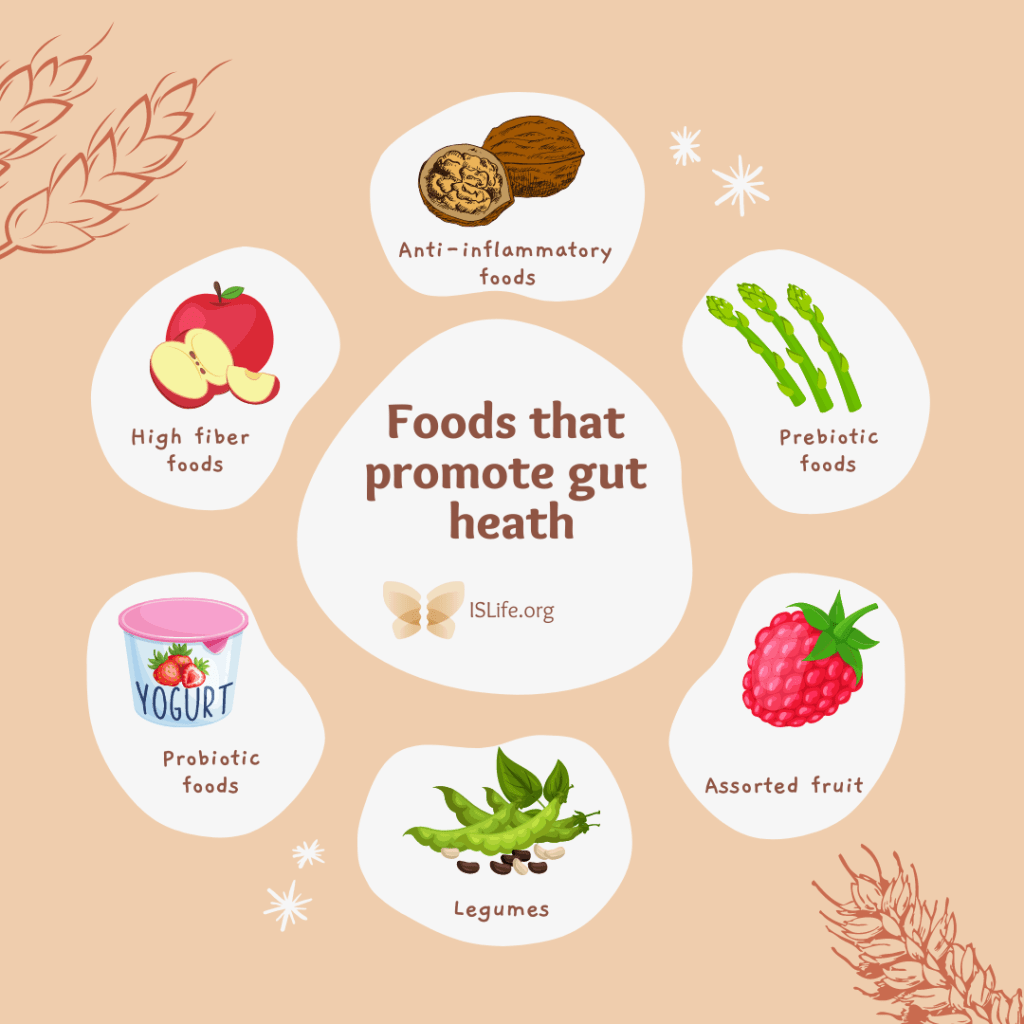
Some foods that can help you with gut health are:

  • Anti inflammatory foods- contain nutrients like vitamins and minerals that decrease inflammation
    • Examples: tomatoes, spinach, kale, almonds, walnuts, salmon, tuna, strawberries, blueberries, cherries, oranges, legumes
  • High fiber foods- fiber can feed the good bacteria that is in your intestines which increases the amount of good bacteria 
    • Examples: beans, avocados, broccoli, apples, berries, fruits and dried fruits
  • Probiotic foods- limit the amount of microorganisms, aid digestion, and improve nutrient absorption
    • Examples: yogurt, sourdough bread, soft cheese, kombucha, fermented vegetables
  • Prebiotic foods- helps healthy bacteria grow which helps your digestive system
    • Examples: almonds, garlic, chickpeas, onions, asparagus, bananas

Vitamins that Help Anxiety and Depression

Research has shown that certain vitamins, supplements, and herbs have helped improve symptoms of anxiety and depression. These can be taken in the form of foods or supplements. 

Vitamin D- helps with mood regulation and nerve and brain health. 

B Vitamins- there are 8 different nutrients that combine and help the body’s stress levels. A study found that people with lower blood levels of B vitamins more often had anxiety or depression, whereas people with higher levels of B vitamins had better anxiety and stress scores.

Magnesium- this mineral helps essential functions of all systems in the body- including brain functionality. This means taking it can help improve the physical symptoms of anxiety.

Omega-3- It plays an important role in brain health which can be helpful for someone with anxiety.

Rhodiola- This herb is associated with many health benefits. It is thought to help reduce depressive symptoms and improve your body’s stress response, helping with anxiety. It also enhances nerve cell communication.

Saffron- This spice is full of antioxidants and has been thought to be a natural antidepressant. It increases levels of serotonin and helps keep it in your brain longer.

Lavender- This affects the parasympathetic nervous system which is what controls anxiety, heart rate, and breathing. 

Depression and anxiety are mental health conditions that affect people all over the world. The typical treatment options are medication and therapy, however some people find that taking supplements and including modifications to their vitamins can reduce their symptoms. The vitamins and supplements listed above may be appropriate for some individuals but you should consult with your doctor before making any changes to your supplement intake. 

Are You the Problem?

I heard a quote yesterday that really resonated with me. It was, “if you have one argument during the day it can go either way but if you have multiple arguments throughout the day, you should look in the mirror.” 

If you are having a hard day and there seems to be a lot of arguing or conflicts, then maybe it is you that is the problem that day. Maybe you are tired, overwhelmed, or in a bad mood. This is a good time to reflect on what else may be bothering you and see why you are being like this. It is not necessarily a bad thing, as everyone has bad days, it’s how you handle it that matters. 

This relates to asking someone if something else is going on when they are upset because oftentimes it is not just the argument or problem that is bothering them, they usually have more going on behind the scenes. Research has shown that when your body doesn’t get enough sleep, it increases activity in the amygdala which is the part of your brain responsible for emotions. When the activity is increased, the amygdala goes into overdrive which then causes us to be more reactive (and more sensitive).  

Some ways you can try to control your emotions are:

  • Sleep
  • Avoid the main stressor
  • Limit your alcohol consumption
  • Practice mindfulness of the situation- understand that you are tired or overwhelmed and this is why you are having the reactions you are having
  • Vent to someone you trust
  • Take a break
  • Relax